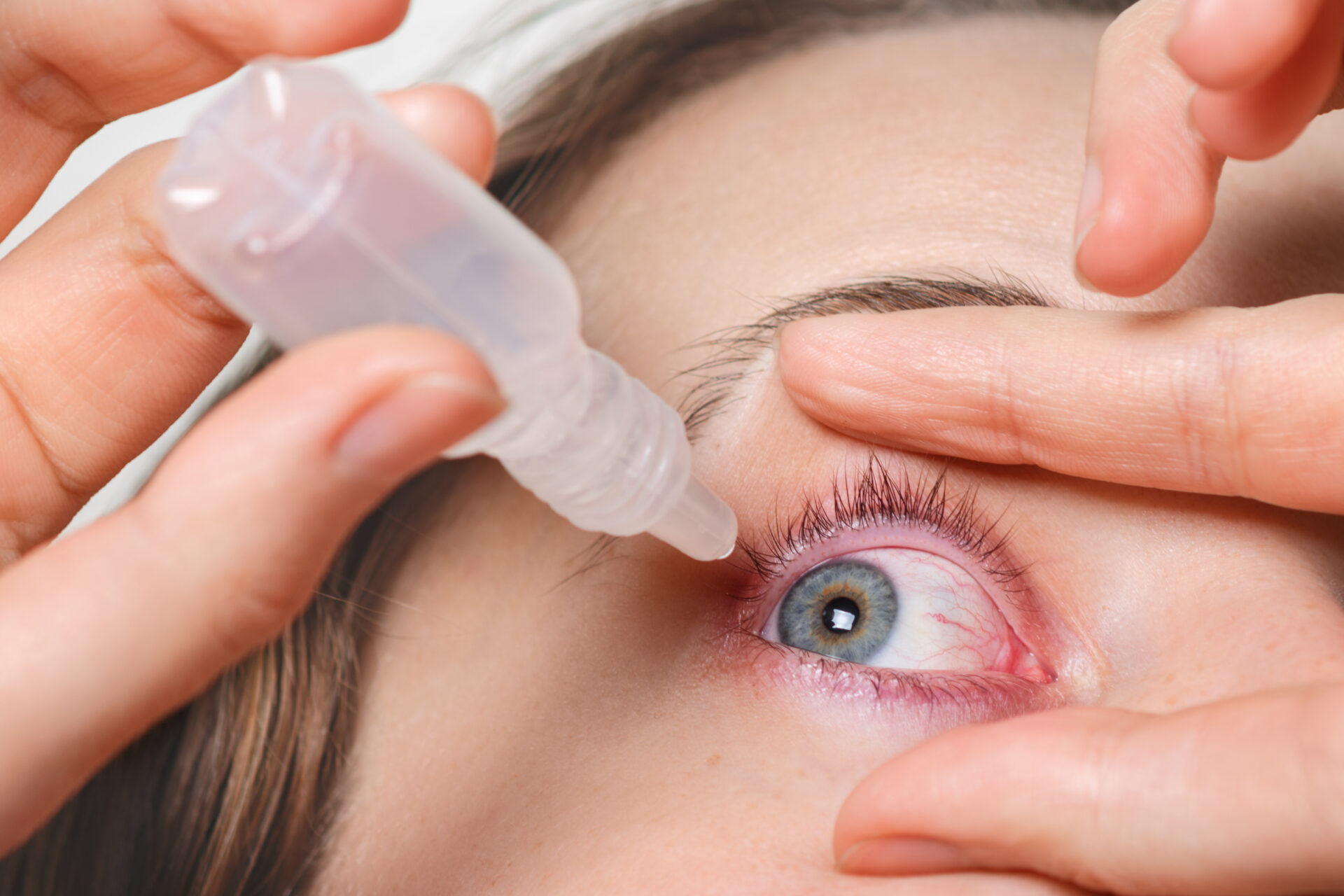
Do your eyes constantly feel gritty, irritated, or excessively watery? If you spend hours in front of a computer screen or in an air-conditioned office, you are likely suffering from Chronic Dry Eye Syndrome.
Artificial tears can relieve dryness, while prescription eye drops may also reduce inflammation or help the eyes make more tears. Treatment depends on the cause, including tear-film problems, eyelid disease, medicines, and other health conditions.
At Sosaeng Clinic, we discuss whether Korean medicine may be used alongside eye care to manage discomfort and associated neck tension. It does not replace an eye examination or prescribed treatment.

Why Are Your Eyes Always Dry?
Dry eye occurs when the eyes do not produce enough tears or the tear film does not work well enough to keep the surface moist. Inflammation, eyelid and meibomian gland problems, medicines, and some systemic conditions can contribute.
In Korean medicine, we consider patterns such as internal heat and fluid deficiency alongside the patient's symptoms. We also ask about neck and shoulder tension because it can add to discomfort. This traditional assessment is distinct from proving reduced blood or oxygen supply to the eyes.
How Korean Medicine May Be Used Alongside Eye Care
At Sosaeng Clinic, Korean medicine is considered only as support alongside an eye examination and the eye care you already receive. Options that may be discussed include:
1. Eye-Targeted Acupuncture & Pharmacopuncture (약침)
Acupuncture may be considered as an adjunct for symptoms after assessing the cause of dry eye. It has not been established that this clinic's acupuncture or pharmacopuncture immediately restores optic-nerve blood flow or produces higher-quality tears. The choice of treatment, possible adverse effects, and response should be reviewed individually.

2. Upper Cervical Alignment with Batae Chuna (바태추나)
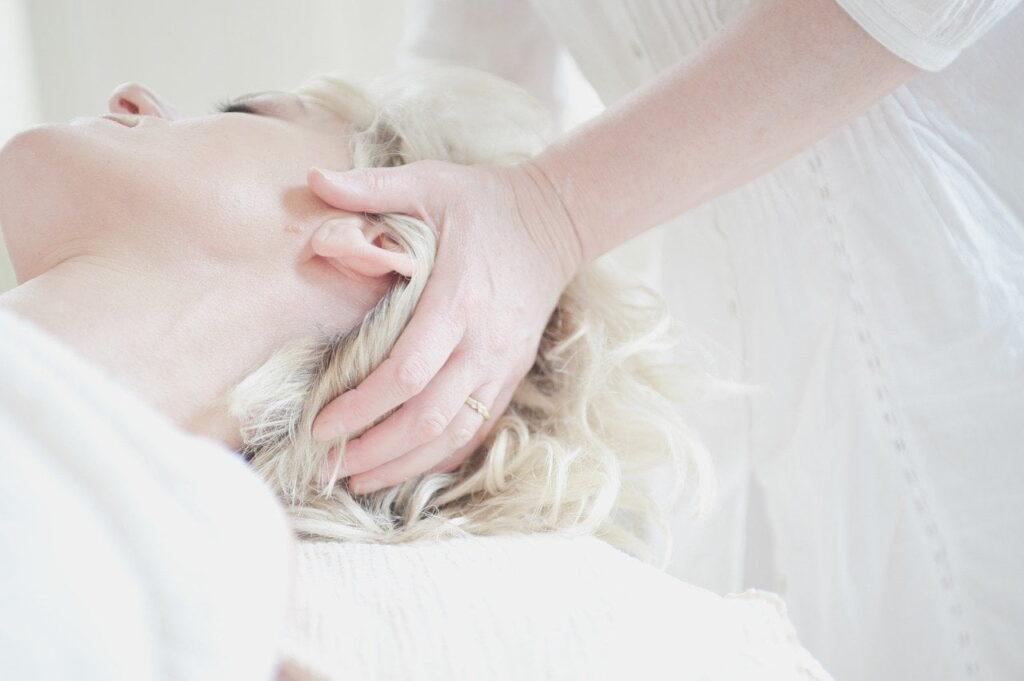
Neck and shoulder symptoms may accompany eye strain. Batae Chuna may be considered for those musculoskeletal symptoms, but cervical alignment is not an established way to restore tear production or treat glaucoma. Continue eye care appropriate to the diagnosis.
3. Customized Herbal Medicine (한약)
Herbal medicine may be considered after an individual assessment. In traditional Korean medicine, prescriptions are chosen to address patterns such as internal heat or fluid deficiency, and the liver and kidney are traditionally linked with the eyes. These are traditional concepts and not proof that a herbal prescription restores tear production. Tell your practitioner about the eye drops and other medicines you use, because herbal medicine can interact with them.
Before You Visit
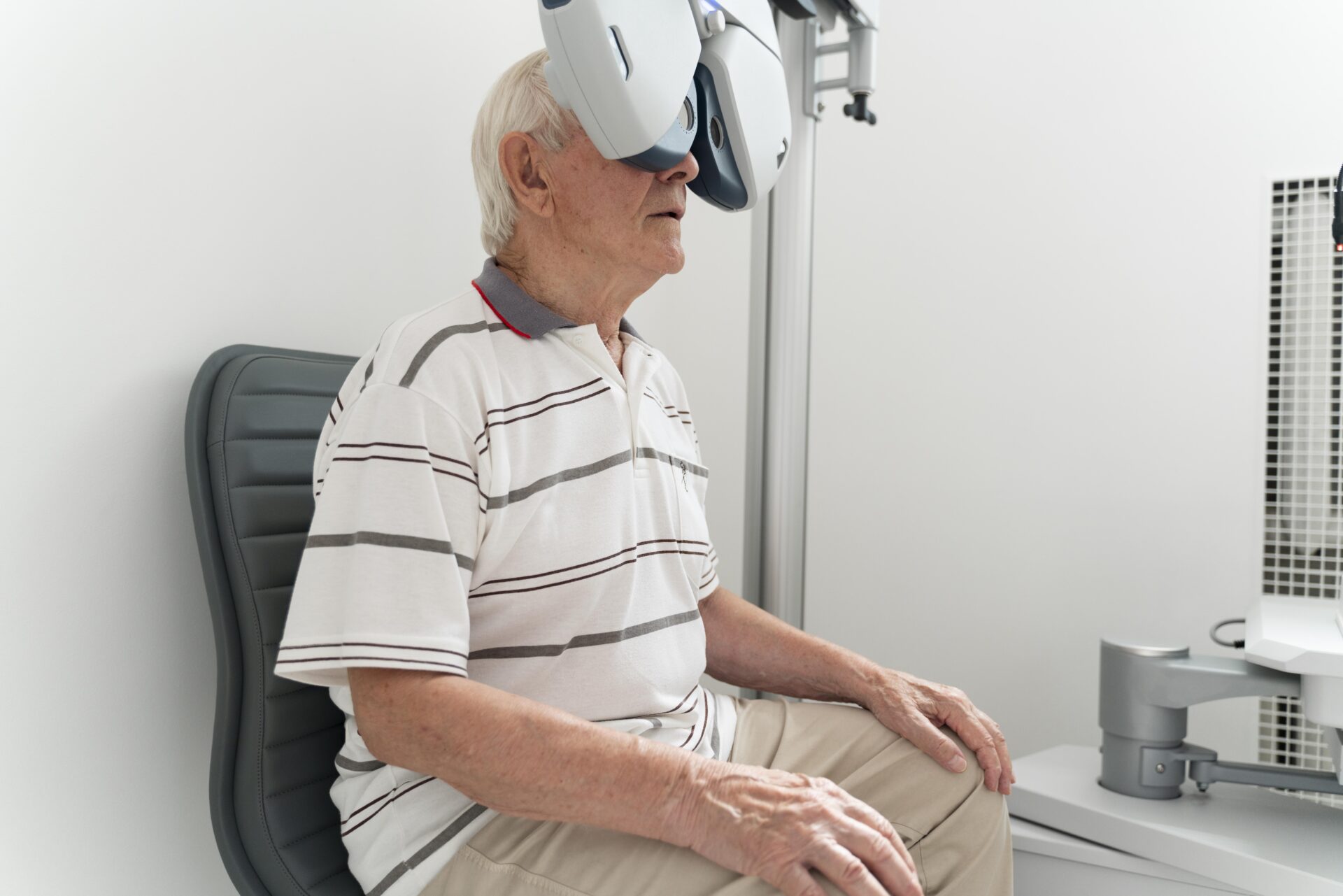
Persistent dryness, eye pain, redness, or a change in vision should be examined by an eye doctor first, because several eye conditions can look like simple dry eye. Acupuncture around the eyes should be performed only by a licensed practitioner; ask about needle placement, possible adverse effects, and the expected number of visits during the consultation.
Sosaeng Clinic is English-friendly. The aim is symptom management alongside appropriate ophthalmic treatment, and the plan is adjusted to each person's response, which varies from person to person.